
Choosing the best time to visit Grand Cayman
The best time to visit Grand Cayman depends on what you most want to do. A trip built around snorkeling, an evening in the bioluminescent bay and a land-based itinerary each needs a different planning decision. Begin with the activity, then choose dates and leave room to respond to the weather. A month’s average temperature is useful background; use current information for the conditions of your own outing.
For an organised boat day, the snorkeling guide helps distinguish reef stops from animal encounters. If the evening glow is the priority, read the Biobay guide before fixing your dates. Keep the time of year, the phase of the moon and the short-term marine forecast as separate parts of the plan.
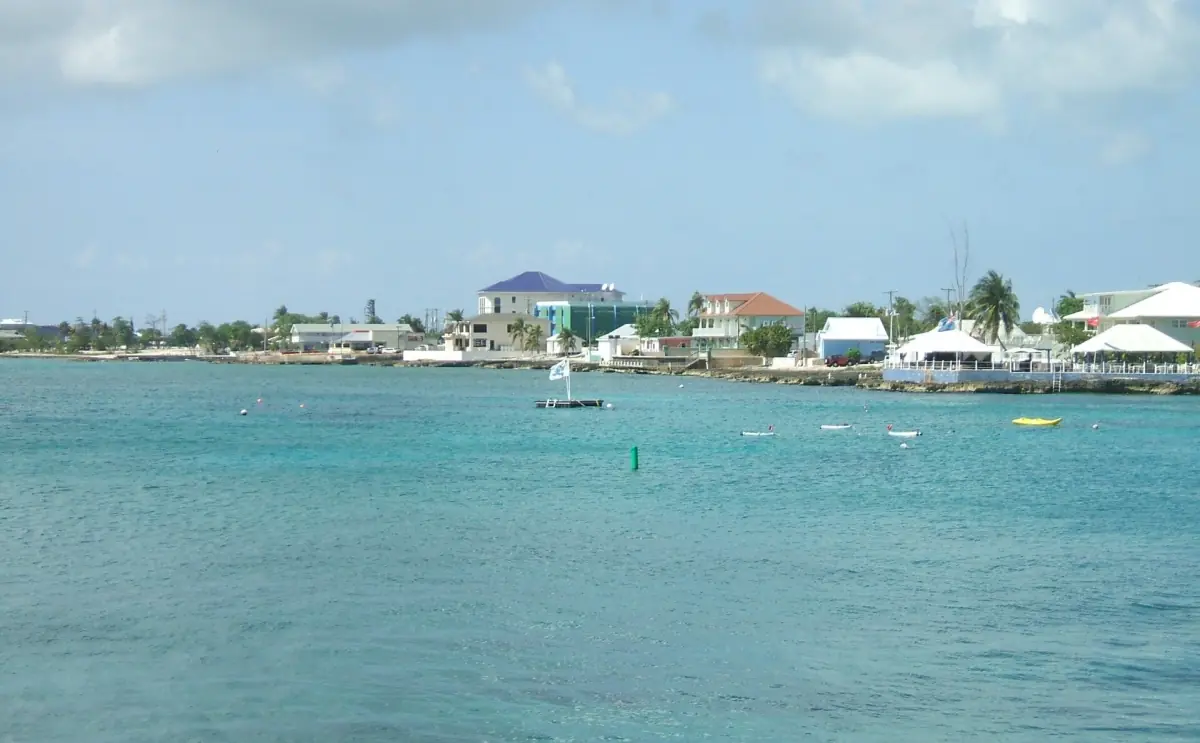
Grand Cayman weather and monthly means
The national weather service’s climate information for Owen Roberts International Airport uses the 1991 to 2020 normal period. Its monthly mean temperatures are 26.0°C in January, 26.3°C in February, 26.7°C in March, 27.7°C in April, 28.5°C in May and 29.3°C in June. These describe the average temperature for each month over that reference period.
The second half of the year has monthly means of 29.7°C in July, 29.8°C in August, 29.4°C in September, 28.5°C in October, 27.6°C in November and 26.7°C in December. They are monthly averages, not daytime highs, overnight lows or the temperature to expect at a particular hour. Use them to compare the warmer and cooler parts of the year, rather than as a daily forecast.
An evening outing
Check available dates for this evening outing when planning around the moon.
Hand-picked tours, booked through Viator. Prices are indicative starting prices in US dollars (as of November 2026). Tap a tour for live availability and the current price in your currency.
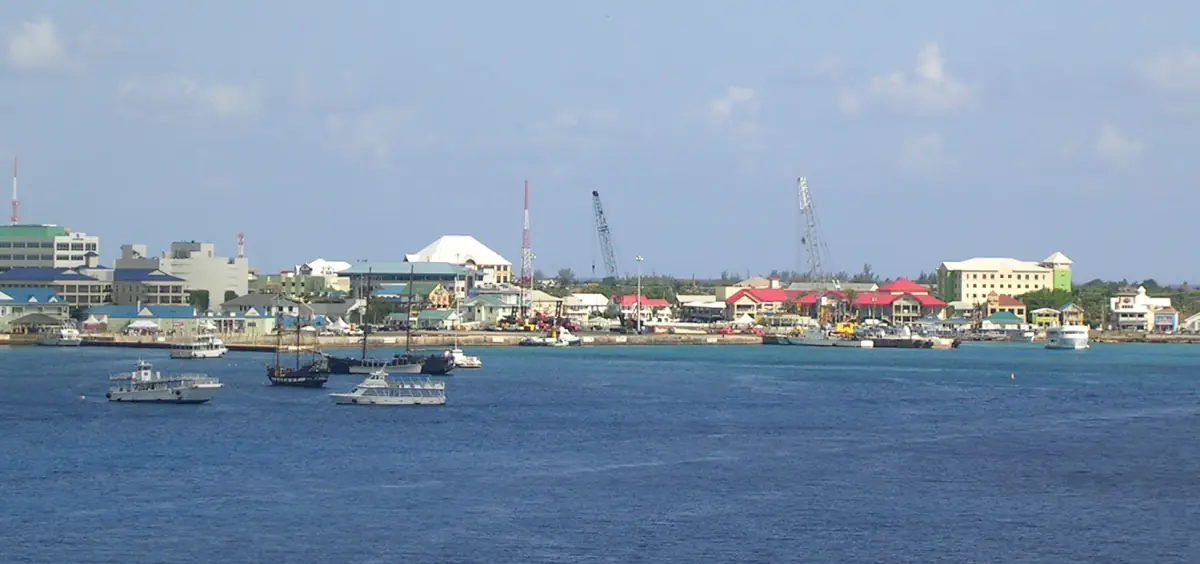
An evening trip to Biobay
A night-boat option from the Yacht Club with mask, snorkel, life vest and drinking water, fitted around your chosen dates and evening transport.
A night outing as part of your dates
The night-boat option featured here includes a mask and snorkel, a life vest and drinking water. It starts at the Cayman Island Yacht Club, Dock B, Slip 43, at 164 Yacht Drive in West Bay. Fit the journey to that departure point into your evening rather than assuming the outing starts where you are staying.
Choose it as an evening activity and arrange the return road journey at the same time. The equipment provided helps define the experience, while the conditions on your date remain a separate consideration. Compare the accommodation areas and transport choices if a night outing is central to the stay. A convenient journey can matter as much as a small difference between monthly temperature means.
Moon windows for Biobay
Darkness is a separate question from the season. One Rum Point electric-boat operator schedules only on the darkest nights of the month. For an evening focused on bioluminescence, look at the dates offered by the particular outing you intend to take. A missing date on a calendar can reflect its moon-window planning or a full departure, rather than a general closure of the bay.
A dark night is still not a promise of a certain glow. Keep expectations tied to a natural experience instead of a fixed brightness. Swimming arrangements also belong to the specific outing: a Rum Point operator advises against swimming because of water contamination and jellyfish stings. That is the operator’s advice, so discuss the planned activity rather than treating all bay tours as the same experience.
Hurricane season and short-term decisions
The official hurricane season runs from 1 June to 30 November, as stated in the government’s preparedness communication of 7 May 2026. Those dates identify a planning season, rather than daily storm conditions. They do not promise storm-free weather outside the period either. Review current official information as your trip approaches and again when deciding on a particular sea outing.
For a boat trip, use the forecast alongside the crew’s assessment of conditions. Police boating advice recommends life jackets, especially for children and less confident swimmers, and working communications. A climate normal does not describe today’s sea state or underwater visibility. Do not turn a warmer monthly mean into an assumption about how a reef stop or night departure will operate.
Build flexibility around the activity
Put the experience that matters most into the plan with some room to change days. Then consider a separate land outing as another part of the stay, with time for experiences away from the water. The island-tour guide explains land attractions, allowing you to decide which interests deserve their own time.
A practical date choice combines the available activity calendar, your tolerance for warmer conditions and the arrangements for reaching the start. Once on the island, make daily decisions with the current forecast. Monthly means are a useful way to compare temperatures; they do not identify a universal best season, a driest month or the best visibility for your own visit.
Frequently asked questions
Which month is warmer in the climate averages?
For the 1991 to 2020 normal period at Owen Roberts Airport, January has a monthly mean of 26.0°C and August 29.8°C. These are monthly means, rather than daily highs or lows.
When is hurricane season?
The official season is 1 June to 30 November. Use current official forecasts for travel decisions; the season dates do not predict the weather on each day.
Does a dark moon window guarantee bright bioluminescence?
Choose dates around the particular tour’s calendar, but treat the glow as a natural experience. Darker-night scheduling is useful planning information, not a brightness promise.
Does the monthly climate tell me snorkeling visibility?
Visibility and sea conditions require current information for the outing. Monthly temperature averages describe the climate background, so use the short-term forecast and the crew’s briefing for your day.